How Do You Choose an Online Design Course? (2026)

@dan
To choose an online design course, check seven things: exercise files, portfolio projects, last update, instructor experience, feedback, access terms and refund policy. Then confirm that the software matches your goal, and treat an ordinary completion certificate as evidence of effort, not accreditation or a substitute for a strong portfolio.
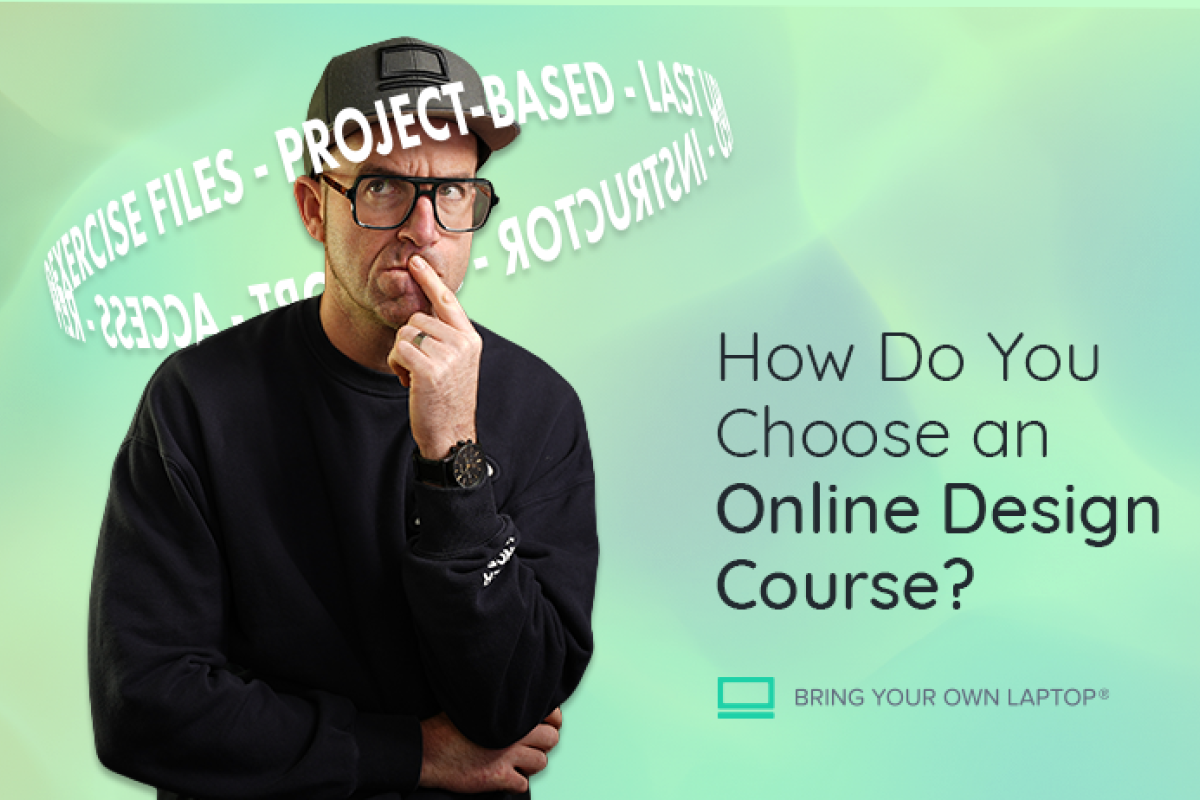
How do you choose an online design course?
Begin with the outcome you want to produce, then test the course against the same criteria whatever its price or platform. A cheap course you finish can be better value than an impressive bundle you never open; an expensive course is only worth more when its structure, support or assessment genuinely helps you learn.
Criterion | What should you look for? |
|---|---|
Exercise files | Source files plus the instructor’s finished version, so you can diagnose differences. |
Project-based learning | A finished, adaptable piece of work—not only a tour of tools and menus. |
Last updated | A date and curriculum that match the app version and current workflow you will use. |
Instructor | A practising designer with relevant work, clear teaching and a visible identity. |
Support | A defined route to useful feedback, with realistic response expectations. |
Access | Clear lifetime-purchase or subscription terms, including what remains after cancellation. |
Refund | An easy-to-find policy with eligibility, deadlines and exclusions stated plainly. |
Does the course include useful exercise files?
Good exercise files remove setup friction without doing the thinking for you. Look for editable source files, linked assets and a finished instructor version that lets you compare your result. A valuable course explains licences and encourages you to change the brief, content or visual direction rather than submit an identical copy as portfolio work.
Will the course produce portfolio projects?
A menu tour can teach controls, but a project teaches decisions. Before buying, identify exactly what you will finish: a logo system, publication, interface, campaign or edited image. Strong projects introduce a brief, constraints, milestones and export requirements. The best test is whether you could adapt the process into a second original piece after the lesson ends.

Putting time into exercise files and class projects can be a strong foundation for a personal portfolio
When was the design course last updated?
Compare the update date with the app version you will use and scan the curriculum for current workflows. Age matters most when interfaces, collaboration features, export methods or AI tools have changed. It matters less for durable principles such as hierarchy, colour and typography. A 2021 Illustrator course may still teach the Pen tool well while showing menus that no longer match your screen.
Is the instructor a practising designer?
Look beyond ratings. Check whether the instructor has relevant client, studio, teaching or production experience and whether you can verify their identity and work. A practising specialist can explain trade-offs, mistakes and professional hand-off, not merely repeat feature names. Watch a preview: clear pacing and a teaching style you can tolerate for ten hours matter as much as credentials.
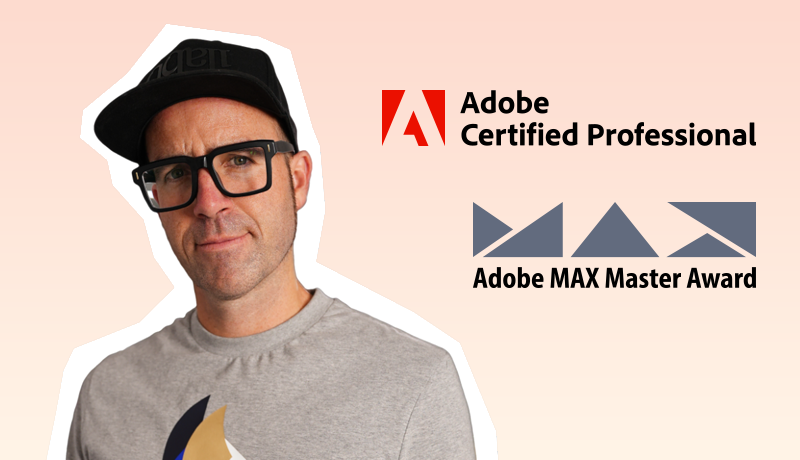
Getting to know your instructor before purchasing a course builds confidence and ensures the best fit
What support and feedback will you receive?
“Community access” can mean thoughtful critique, or an abandoned comments box. Find out who answers, what kind of question they will review and whether response times are stated. For software problems, searchable Q&A may be enough. For portfolio development, feedback on your actual project is far more useful. No course should imply that unlimited personal mentoring is included unless it truly is.
Will you keep access after you stop paying?
Separate purchases from subscriptions. Udemy says a purchased course has lifetime access while your account remains in good standing and Udemy retains the licence; subscription content lasts only while the subscription is active. The same practical warning applies to any membership, including Bring Your Own Laptop, when the subscription ends, course access ends. Choose a membership for breadth, support and momentum, not because you assume permanent ownership.
Is the refund policy clear?
Read the policy before checkout, not after the first lesson disappoints you. Check the deadline, eligible payment methods, consumption limits and exclusions for subscriptions or downloadable content. Udemy advertises a 30-day policy for eligible course purchases, while trials and memberships commonly convert automatically unless cancelled. Save the terms shown at purchase because platform policies and regional consumer rights can differ.

Student or professional, your budget matters. Time and plan your investment according to your needs.
Are online design course certificates worth it?
In most design hiring, the portfolio decides. A certificate can be a useful tiebreaker because it signals initiative and completion, but it cannot rescue weak work or replace an interview explanation of your decisions. Ask what was assessed: watching videos, submitting a project, passing a graded test or completing a proctored exam are not equivalent.
An Adobe Certified Professional credential is a genuine proctored certification. Adobe says each exam lasts 50 minutes, mixes selected-response questions with live in-app tasks, requires 700 out of 1,000 to pass and remains valid for three years. US online exams cost US$150; test centres set local prices. Adobe recommends about 150 hours of experience, and eligible students may find free or discounted campus exams.
Adobe also states that its certifications are approved by the American Council on Education for one college credit per passed exam. Its claim that 77% of organisations seek professionally certified candidates comes from Adobe’s own certification marketing and cited studies, so it should not be presented as neutral proof that certification beats a portfolio.
By contrast, Udemy states that it is not an accredited institution and its standard completion certificates cannot be used for formal accreditation. Bring Your Own Laptop certificates sit between an automatic badge and a proctored Adobe exam because a person grades submitted project work; they still are not academic accreditation. The honest hierarchy is portfolio first, assessed project second, completion badge third.
How do people waste money on online design courses?
Paying the first Udemy price displayed. Marketplace prices and promotions move frequently. Compare the live checkout price and wait if the value is unclear.
Buying a twelve-course bundle and finishing none. Buy for the next project, not for an imaginary future version of yourself.
Subscribing to a whole platform for one course. A library subscription works when you have a learning plan and time to use several classes.
Buying training before choosing the software. First decide what you want to make; use our guide to decide which design course you should learn first.
Paying for “certification” that is only a completion badge. Confirm the awarding body, assessment method, identity checks and expiry date.
Don't jump into the first special offer. Make sure you are making the best choice for your education or business
How do online design course platforms differ?
The platform model shapes value as much as the lesson quality. Prices below are examples from official pages checked on 3 September 2026; they are regional, promotional and subject to change. Always verify the currency, renewal price and access rules at checkout.
Platform model | What you are buying | Price/access check on 3 Sep 2026 |
|---|---|---|
Usually one course as a one-off marketplace purchase | Dynamic course price; conditional lifetime access; eligible purchases have a 30-day refund window | |
Subscription to a broad creative-class library | US page: US$167.88 billed annually; free trial; regional pricing varies | |
Individual course purchases or a Plus subscription | Page served: €99.50 first year, renewing at €199; currency and offers vary | |
Subscription to a multi-subject course catalogue | Page served: €346/year; temporary monthly promotion displayed; regional pricing varies | |
Direct from instructor | One course or a membership, depending on the creator | Can add accountability and direct support; access and refund terms vary |
How does the checklist work on a real design course?
Take the Adobe Illustrator CC Essentials course on Udemy as a worked example. The live listing credits Video School, Phil Ebiner and Daniel Walter Scott. It was last updated in January 2025 and lists 113 lectures, 12 hours 7 minutes and more than 30 portfolio projects.
It scores well for projects, a verifiable instructor, visible curriculum and one-off access. The preview lets you test the teaching style, and the marketplace purchase is covered by Udemy’s access and refund rules. Its weaker areas are freshness—the app has continued changing since January 2025—and feedback: the listing cannot promise personal critique of every project.
That does not make the course automatically “best.” It makes the buying decision legible. If your goal is Illustrator, you like the preview, the current lessons match your app closely enough and you do not need individual assessment, it is a sensible purchase at a price you accept. If feedback or the newest interface matters more, keep comparing.
What is the final check before you buy?
Write down one result you want, the hours you can realistically study this month and the maximum you are willing to spend. Confirm the seven criteria, watch a preview and read the cancellation or refund terms. Then buy one course, schedule the first project and finish it before shopping again. Completion, not catalogue size, is where the value appears.
Popular posts
What Are the Best Canva Courses in 2026?
Daniel Walter Scott

Is Figma Free or Paid in 2026?
Daniel Walter Scott

What Are the Best Figma Courses in 2026?
Daniel Walter Scott
What Are the Best Adobe InDesign Courses? (2026)
Daniel Walter Scott
Go from zero to design hero with our awesome courses!